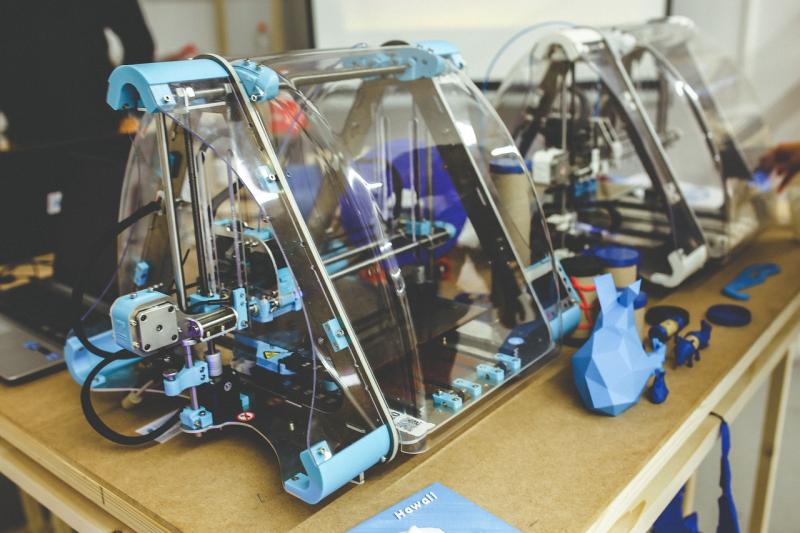
Getting into 3D printing can feel exciting and a bit overwhelming, but don’t worry! You don’t need to be a tech wizard to start your own small business using this awesome technology. First off, picking the right 3D printer is key. Look for one that suits your needs—whether it’s for prototyping designs, creating custom items, or doing small-batch production.
Once you've got your printer, it’s time to dive into the learning part. There are tons of resources out there! Check out online tutorials, YouTube videos, and forums where fellow 3D printing enthusiasts share tips and tricks. Start with simple designs and gradually work your way up to more complex projects. Finding a community can also motivate you and help troubleshoot any issues.
Don’t forget about materials! The type of filament or resin you choose can really impact the quality of your prints. PLA is super beginner-friendly and great for a variety of projects. If you're feeling adventurous, explore different materials later on. Some are suited for specific applications, like flexible or durable parts.
Think about what you want to sell! Customized products, prototypes, or even tools—your imagination is the limit. Start small, gather feedback, and adjust your offerings. Once you feel confident, consider setting up an online shop or partnering with local businesses. 3D printing opens the door to endless possibilities, and getting started is just a click away!
Find Your Niche in the Market
Finding your niche in the 3D printing market can feel overwhelming, but it’s a fun journey if you break it down. Start by thinking about your interests and hobbies. Do you love gaming? Maybe make custom figurines or game accessories. Are you a crafting enthusiast? Consider designing unique home decor items. The possibilities truly are endless, so pick something that excites you!
Next, do some research. Check out what’s already out there and see where you can step in. Are people asking for specific designs or items that aren’t available? That’s your golden opportunity! You want to offer something fresh that catches attention. Dive into online forums, social media, and even local craft fairs to gauge what people are looking for.
Don’t forget to consider your target audience. Think about who would buy your products. Is it kids, tech-savvy adults, or hobbyists? Knowing your audience helps you make designs that will appeal to them. Once you know who you’re making for, you can tailor your marketing and product styles to match their preferences.
Lastly, don’t be afraid to experiment. Start with small batches and test the waters. Use feedback to fine-tune your designs. This will help you build a solid understanding of your niche, leading to a brand that really resonates with your customers. Get out there and start creating!
Choosing the Right 3D Printer
First, think about what you'll be printing. Are you making small prototypes, detailed figurines, or larger products? Different printers shine in different areas. For fine details, a resin printer can do wonders. If you need to churn out strong parts, a filament printer is your best friend.
Next, consider your budget. 3D printers can range from a few hundred to several thousand dollars. Decide how much you want to spend, but remember, quality often means investing a little more upfront. Look for a printer that gives you the best bang for your buck while meeting your specific needs.
Don’t forget about ease of use! If you’re just starting out, a printer that’s user-friendly can make your life a lot easier. Look for features like a touchscreen interface, pre-assembled kits, or auto-bed leveling to simplify the process. You want to spend your time being creative, not troubleshooting.
Lastly, read reviews and ask around. The 3D printing community is pretty welcoming. Check out what others have to say about different models. Joining forums or Facebook groups can give you insights from real users. This info can be super helpful in making your decision!
Tips for Success in 3D Printing
Starting a small business with 3D printing can be super exciting, but there are some tips to keep in mind to help you succeed. First up, pick the right printer! Not every 3D printer is created equal, so think about what you want to print. If you’re into detailed designs, you might want a higher-resolution printer, but if you’re just making prototypes, a budget-friendly option will do the trick.
Next, get familiar with the software. Most printers come with their own slicing software, but it’s worth exploring others too. The right software can make a huge difference in how your prints come out. It’s all about getting the settings just right, like layer height and temperature, to avoid those pesky print failures.
Don’t skip the testing phase! Before you dive into a big order, print a few test pieces. This helps you spot any issues early on and lets you tweak your designs. Plus, you get to see how your materials perform, which is essential for figuring out the best options for your customers.
Networking is key. Connect with other 3D printing enthusiasts, join online forums, or even attend local maker fairs. You’ll find a ton of helpful advice, tips on running a business, and maybe some potential customers waiting to hear what you offer. Sharing experiences can spark new ideas and keep you motivated.
Lastly, keep learning! The world of 3D printing is always changing—new materials, techniques, and printing technologies pop up all the time. Stay updated with the latest trends to keep your business fresh and competitive. Be open to experimenting with new ideas and never stop improving your skills!